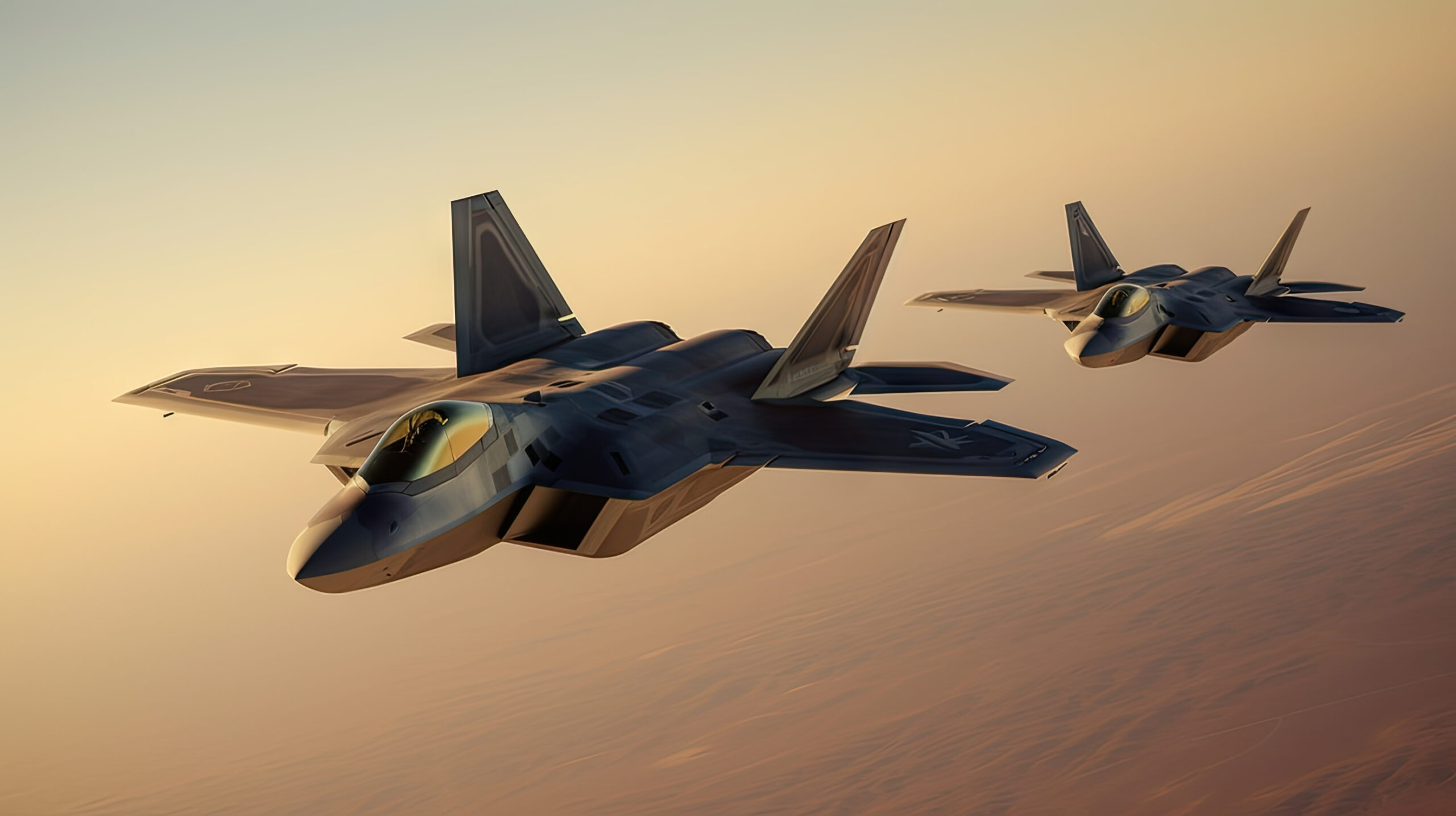
Lockheed Martin is in discussions with the US Air Force to expand upgrades for the F-22 Raptor to include the older Block 20 aircraft, which are currently used for training and not combat-coded. These 32 jets were previously slated for retirement but could now receive modernization similar to the Block 30/35 Raptors, which are undergoing significant upgrades, including stealth improvements, advanced sensors, and uncrewed teaming capabilities. The move comes amid delays and uncertainty around the F-22’s successor, the sixth-generation F-47 under the NGAD program. Upgrading the Block 20 fleet would boost the number of combat-capable F-22s by more than 20%, extending the Raptor’s relevance well into the 2030s and potentially the 2040s. They write:
Lockheed Martin is discussing with the U.S. Air Force about the possibility of extending the scope of the upgrade for the F-22 Raptor fighter so that it will include the earlier Block 20 aircraft that the service currently uses for training. These Block 20 jets, 35 in all, had previously been on the chopping block, but amid questions about the ultimate replacement plan for the F-22, the manufacturer says it can support the upgrade effort should it be expanded to these earlier and currently far less-capable aircraft. […]
The Air Force currently has 185 F-22s, but only 143 are combat-coded, with the rest being dedicated to training and test and evaluation activities. The Block 20 jets are all assigned to second-line duties. Meanwhile, a significant portion of the overall fleet is typically down for maintenance at any given time. […]
It seems that much of the F-22’s ultimate fate will depend on the pace of the F-47’s path to service, and the Air Force’s ultimate procurement plans for that type. In the meantime, it’s clear that Lockheed Martin is confident that the F-22 has many years of service left and that, should the Air Force want to ensure the Raptor fleet is as capable as it can be for years to come, then rolling out upgrades across the earlier jets could help secure its long-term future.
Read more here.