
War and politics have a way of scrambling signals from what might otherwise be an orderly economic cycle. That can somewhat explain the disconnected economic data you can find in Your Survival Guy’s “Charting Your Course.”
But when the data feed is full of noise, sometimes clearer pictures can push their way through. Here are some of the things Your Survival Guy is paying closest attention to.
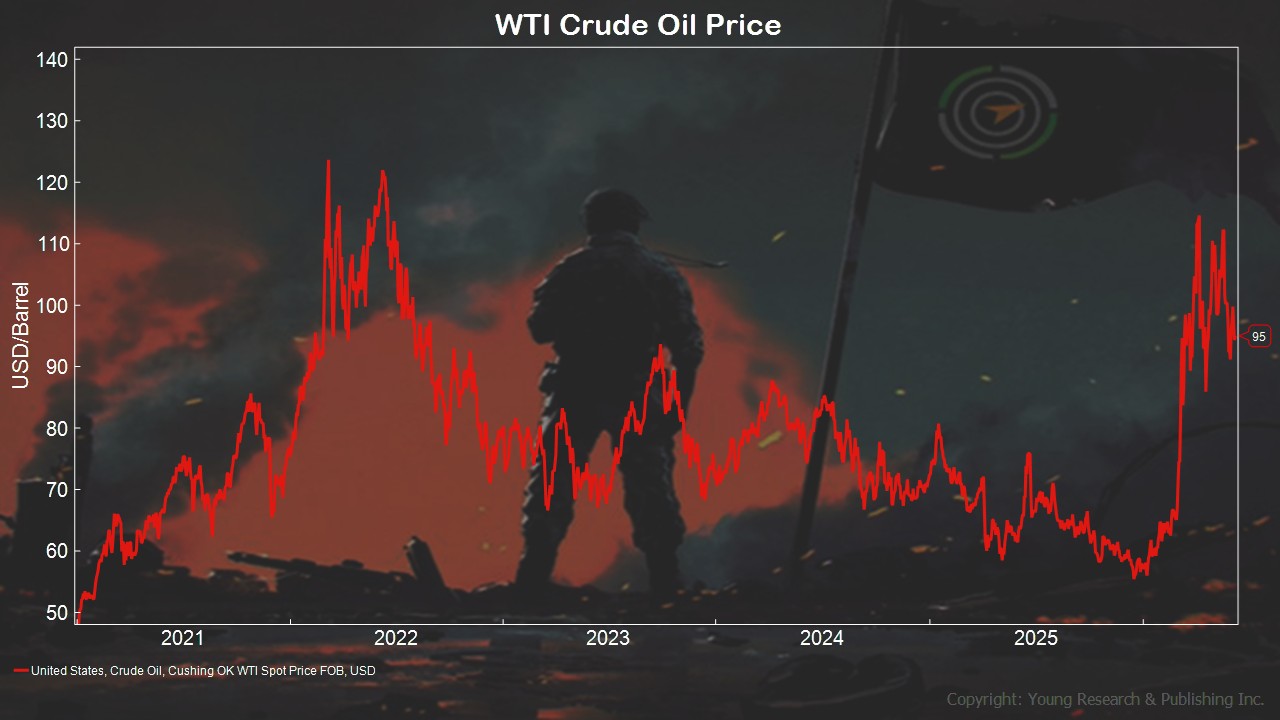
First, oil. It seems like it should go without saying that with a war in Iran, oil, and more generally traffic through the Strait of Hormuz of all products (including fertilizers and plastic feedstocks) needs to be front and center in the minds of anyone looking at the global economy. WTI crude oil prices have oscillated wildly since the United States and Israel began their war on Iran. Prices closed at $95/barrel last night, a major increase compared to this time last year, when WTI crude closed at $64.5/barrel.
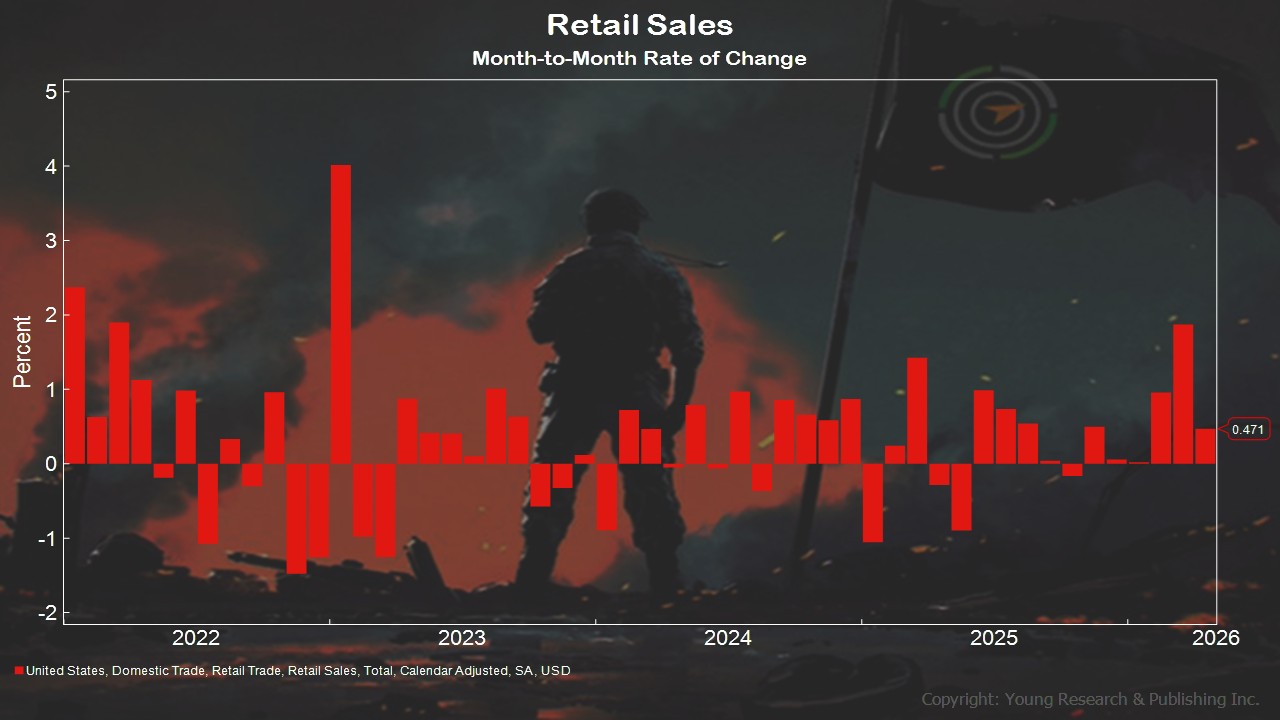
The high oil prices haven’t dampened retail sales, which grew for a sixth consecutive month, though some retailers, like Walmart, are warning about the future. Walmart CFO John David Rainey told CNBC that consumers could feel more pressure now that tax refunds are spent. He said, “I think higher tax returns muted some of the pressure related to higher fuel prices and as we’re in a period of time right now where those tax refunds are largely not coming in, I think consumers are going to feel more of that pressure from higher fuel prices.”
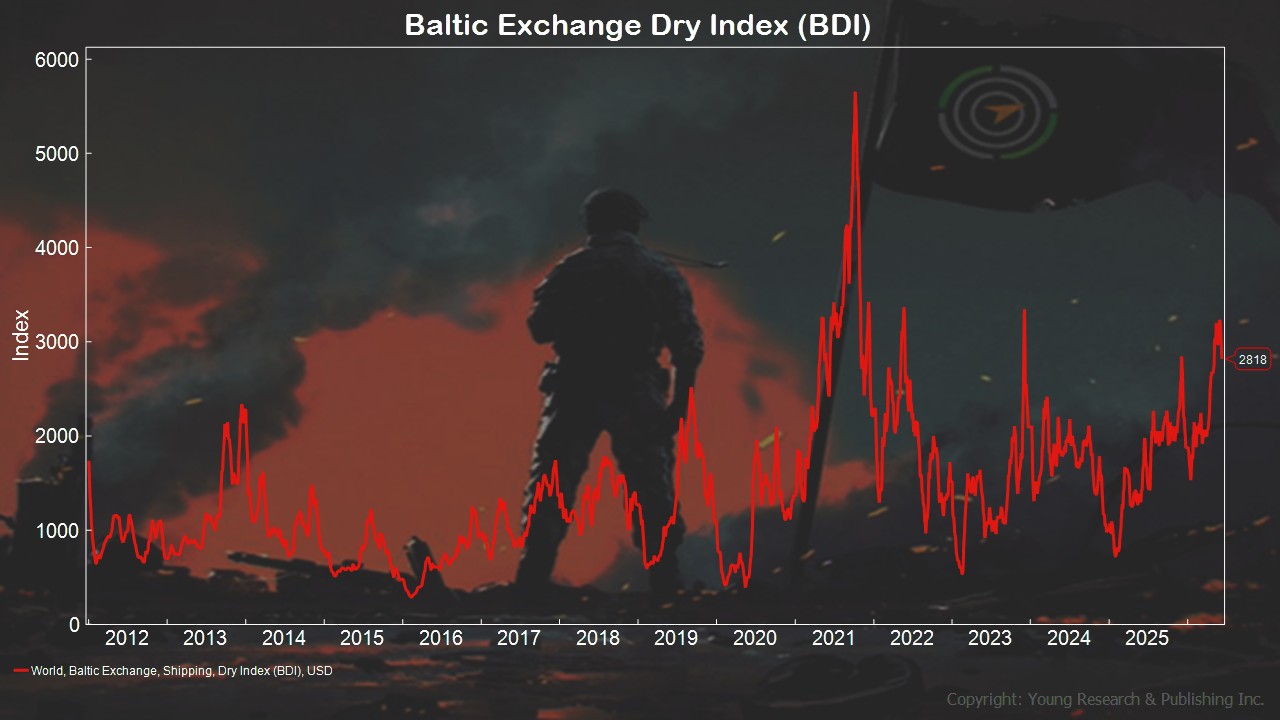
Another cost of the war has been an increase in shipping prices. Both the Baltric Dry Index and the Drewry Shipping Index have climbed since the war began. Costs of shipping and higher oil prices are adding to rising inflation. Year-over-year CPI came in this morning at 4.2%. The highest reading since April of 2023 (during the Bidenflation spike). 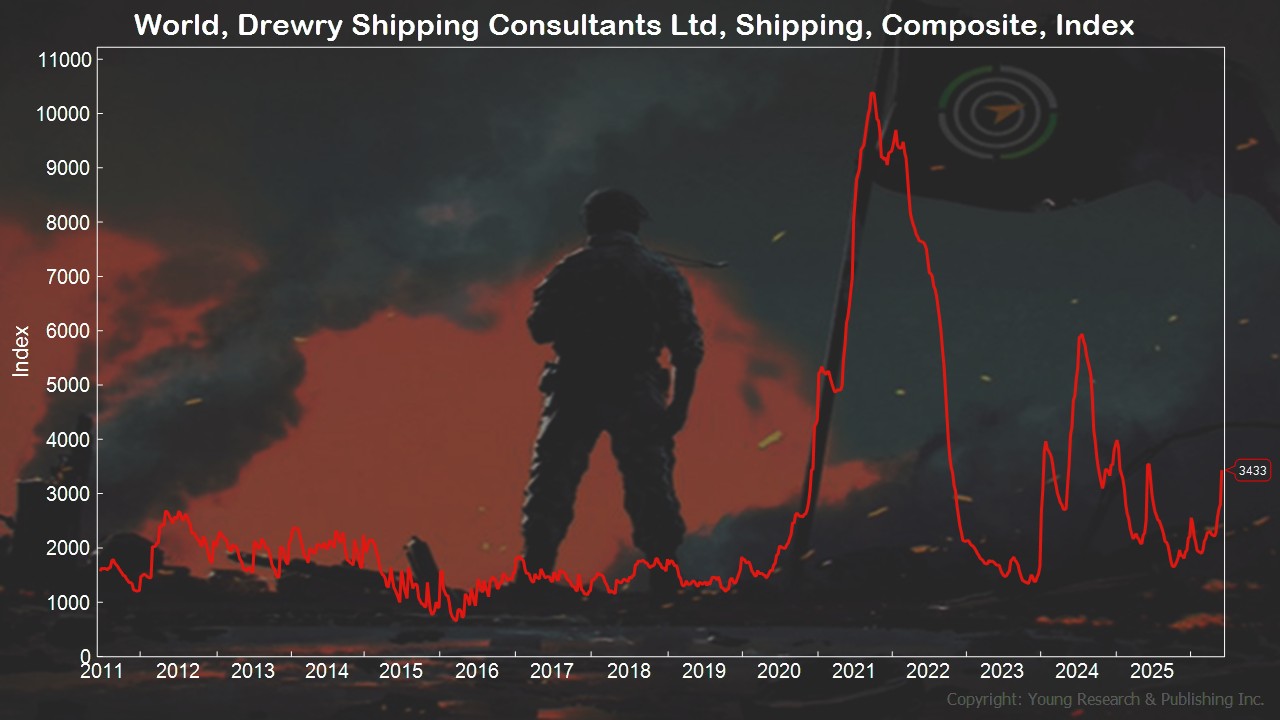
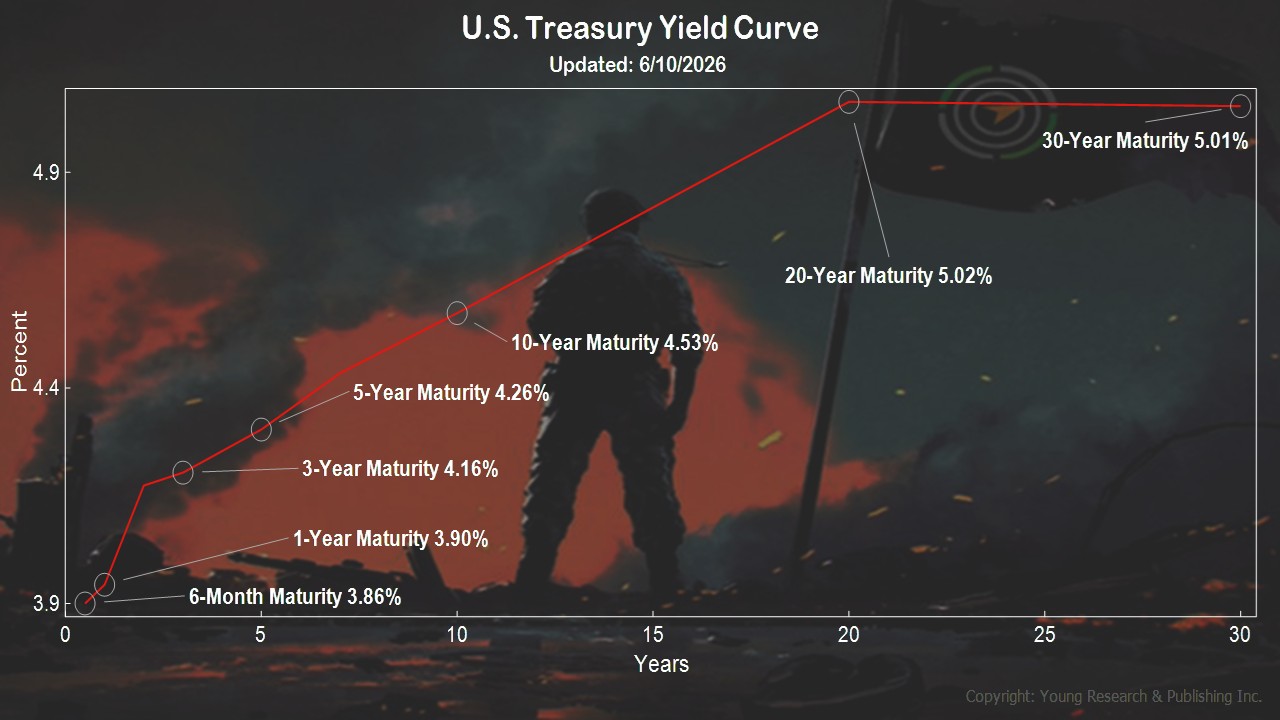
 With rising inflation in mind, the market for treasuries has driven long bond yields up over 5%.
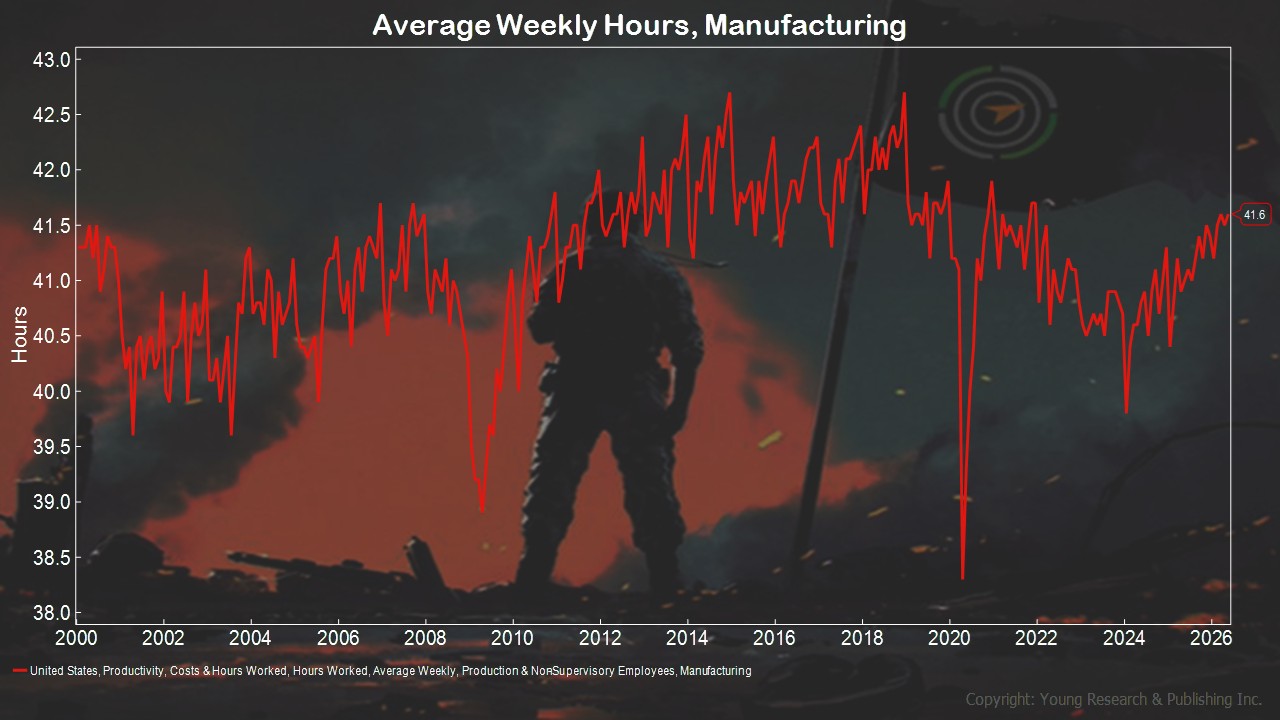
 Despite inflation fears, the economy is still moving. Average weekly hours for manufacturing workers are climbing. Higher hours for manufacturing workers are indicative of overtime shifts, while a decline in hours can coincide with a coming recession.
 Action Line: The economy is moving, but there are risks. Prepare yourself accordingly. When you want help, email me at ejsmith@yoursurvivalguy.com. And click here to subscribe to my free monthly Survive & Thrive letter.